
How Can Northern Beaches Families Adapt Their Homes for Multi-Generational Living as Needs Change?
Quick Answer: Northern Beaches families can adapt their homes for multi-generational living through second-storey additions, granny flats, accessibility modifications, soundproofing, and dual occupancy options—creating separate living zones while maintaining family connection and meeting council requirements.
The Rise of Multi-Generational Living in Northern Beaches
Multi-generational living is transforming Northern Beaches households. According to UNSW research, approximately one in four Sydneysiders now live in multi-generational households. Between 2016 and 2021, households containing three generations increased by 22%.
Families in Narabeen, Collaroy, Newport, Cromer, and Beacon Hill are choosing to renovate rather than relocate—keeping aging parents close while providing built-in childcare support and maintaining neighbourhood connections. The question isn’t whether to adapt your home, but how to do it thoughtfully.
Second-Storey Additions: Creating Vertical Separation
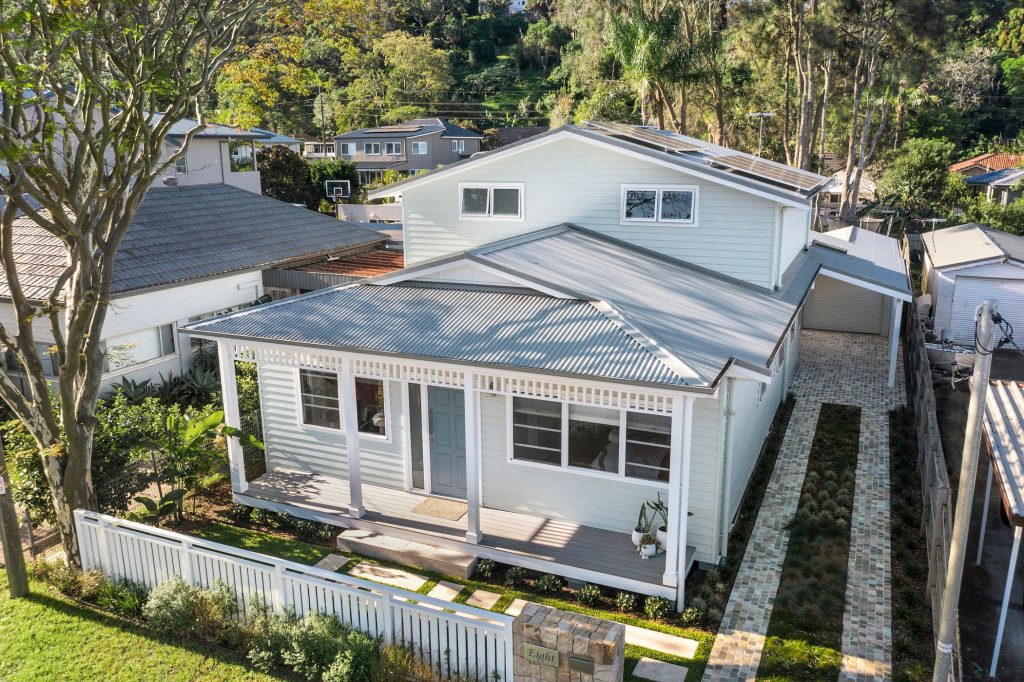
Adding a second storey is one of the most effective solutions for multi-generational living in the Northern Beaches, where land is at a premium and outdoor space is precious. According to construction specialists, second-storey additions offer significant advantages: they preserve garden areas, allow families to stay in beloved neighbourhoods, and provide built-in support systems between generations.
Design Strategies for Multi-Generational Zones
Successful designs create genuine independence through complete upper-level suites with ensuites, separate living zones, flexible home offices, and balconies capturing Northern Beaches coastal views. The key is creating “together but apart”—proximity without constant interaction.
Granny Flats: The Self-Contained Alternative
For families seeking maximum independence, granny flats offer a compelling alternative to second-storey additions. Under current NSW regulations, secondary dwellings (granny flats) can be approved through the faster Complying Development Certificate (CDC) pathway when they meet specific criteria.
Important exclusions apply: properties on bushfire-prone land require additional assessments, and granny flats cannot be built on strata properties or separately subdivided from the main dwelling.
For some families, granny flats offer considerable benefits: complete privacy, separate facilities, potential rental income when family circumstances change, and typically lower construction costs than second-storey additions. Beachill Construction can assess whether your property meets these requirements and guide you through the appropriate approval pathway.
Dual Occupancy: Maximising Your Land’s Potential
As of July 2024, dual occupancies are now permitted in R2 Low Density Residential zones across the Northern Beaches with development consent (minimum 450m² lot, 12m width). These reforms make over 30,000 additional Northern Beaches lots eligible.
Dual occupancy allows two separate dwellings on one lot—attached or detached—offering multi-generational families remarkable flexibility with complete homes sharing land while maintaining total independence. However, exclusions apply: not permitted on bushfire-prone land, heritage items, coastal vulnerability areas, or certain flood-prone land.
Accessibility Features: Designing for Aging in Place
When adapting homes for multi-generational living, incorporating accessibility features from the outset is significantly more cost-effective than retrofitting. Studies estimate that retrofitting for accessibility costs 22% more than designing these features into initial renovations.
Essential Accessibility Modifications
According to aging-in-place design principles Northern Beaches families should prioritise:
- Step-free access: Eliminate thresholds at entrances and between rooms; consider ramps for front entries
- Wider doorways and hallways: Minimum 820mm clear opening width for wheelchair or walker access, though 900mm is recommended for optimal accessibility and ease of movement
- Ground-floor master suite: Complete bedroom, ensuite, and wardrobe on entry level
- Accessible bathrooms: Walk-in showers with non-slip flooring, reinforced walls for grab rails, lever-style taps, height-appropriate toilets
- Practical kitchens: Lowered benchtops, pull-out shelves, accessible appliance placement
- Enhanced lighting: Natural light maximisation, motion-activated lights in hallways and bathrooms, contrasting colours for visibility
- Smart home technology: Voice-activated controls, automated blinds, medical alert systems
For multi-storey renovations, consider designing stairwells wide enough for future stair lift installation, or including a space for a residential elevator. These forward-thinking modifications ensure homes remain functional as family members’ mobility needs change over the decades.
Soundproofing: The Often-Overlooked Essential
Privacy in multi-generational homes isn’t just about separate rooms—it’s about acoustic separation. Australian builders specialising in multi-generational designs emphasise that soundproofing should be integrated during construction, not added as an afterthought.
Effective Soundproofing Strategies
For home renovations in Northern Beaches, acoustic specialists recommend these approaches:
- Wall soundproofing: Heavy-density acoustic insulation batts (glasswool, polyester, or rockwool) within wall cavities; acoustic plasterboard; Mass Loaded Vinyl (MLV) for enhanced sound blocking
- Floor/ceiling systems: Critical for second-storey additions—acoustic underlay, specialised flooring products, resilient mount clips to decouple plasterboard from studs
- Doors: Solid core doors rather than hollow; door sweeps to seal gaps
- Strategic placement: Position bedrooms away from shared living areas; create buffer zones with bathrooms, closets, or hallways
For home additions in Cromer, or other existing homes in Collaroy being adapted for multi-generational use, retrofitting involves adding MLV to walls, installing acoustic plasterboard, and incorporating sound-absorbing materials in ceilings—investments that dramatically improve livability.
Balancing Shared Spaces and Private Retreats
The architectural challenge of multi-generational design lies in balancing privacy with connection. Successful designs include multiple living areas, kitchens as gathering points, private bedroom wings, separate entries where feasible, multiple outdoor zones, and multi-zone climate control. Beachill Construction’s design-led approach creates balanced environments reflecting how Northern Beaches families actually live.
Navigating Northern Beaches Council Approvals
Understanding council requirements is crucial for multi-generational renovation success. Northern Beaches Council identifies three approval pathways:
1. Exempt Development
Minor works requiring no approval (small decks, internal alterations, garden sheds). Most multi-generational renovations exceed this category.
2. Complying Development Certificate (CDC)
Fast-track approval is available for projects meeting specific criteria: granny flats, certain house alterations, and pools. The certificate can be issued by council or an accredited certifier.
3. Development Application (DA)
Required for projects not qualifying as exempt or complying development—typically second-storey additions, major renovations, or projects on complex sites./p>
For coastal properties in suburbs like Newport and Narabeen, additional considerations apply, requiring specialised environmental assessments. Beachill Construction’s four decades of Northern Beaches experience means we navigate these complex requirements efficiently, securing approvals while you focus on planning your family’s future.
Real Investment, Lasting Value
Well-executed second-storey additions can increase property values by 20-40% in many cases, though actual value gains depend on market conditions, property location, and quality of execution. Granny flats provide potential rental income and flexibility. More importantly, these renovations offer lifestyle benefits: families staying connected across generations, aging parents maintaining independence, and built-in childcare support.
Beachill Construction specialises in multi-generational projects across Narabeen, Newport, Collaroy, Beacon Hill, and Cromer—combining award-winning design-build expertise with deep local knowledge. We manage design, council approvals, and construction as one seamless process, delivering transparency, fixed timelines, and quality craftsmanship.
Frequently Asked Questions
Can I build both a granny flat and a second-storey addition on the same property?
Yes, these are not mutually exclusive options. Many Northern Beaches families pursue both—adding a second storey to their main dwelling while constructing a separate granny flat, maximising their land’s potential for multi-generational living. However, you’ll need to ensure your property meets minimum lot size requirements, has adequate parking, and complies with site coverage and landscaping requirements under Northern Beaches planning controls. The combined project would typically require a Development Application rather than the faster CDC pathway. Beachill Construction can assess your property’s suitability for dual modifications and guide you through the integrated design process to create cohesive, well-planned spaces rather than disconnected additions.
How long does my family need to move out during a second-storey addition?
This varies based on your project’s scope and your household’s tolerance for disruption. Second-storey additions may extend to several months depending on complexity and approvals. During roof removal and structural work, most families temporarily relocate. After the new level is weatherproof, many families return home despite ongoing interior finishing work. Factors affecting this decision include household members with health concerns, young children’s routines, noise sensitivity, and whether you have alternative accommodation available. Beachill Construction’s meticulous project planning minimises disruption—we establish clear timelines, stage work efficiently, and maintain daily communication so your family can make informed decisions about when to stay versus when temporary accommodation makes sense.
Do multi-generational home modifications affect my property’s resale value and appeal?
When executed thoughtfully, multi-generational modifications typically enhance both property value and market appeal. Sydney real estate analysis confirms that properties suitable for multi-generational living command premium valuations, given the growing prevalence of this housing arrangement. Features like second-storey additions increase overall dwelling size and functionality, granny flats provide rental income potential, and accessibility modifications appeal to aging-in-place buyers—an expanding demographic as Australia’s population ages. The key is ensuring modifications align with neighbourhood character and maintain design quality. Poorly executed additions or overly customised spaces can limit appeal, which is why working with experienced Northern Beaches builders like Beachill Construction ensures your modifications enhance rather than constrain your property’s future marketability.